Showing posts with label consultation and advocacy. Show all posts

United Daishan Festival

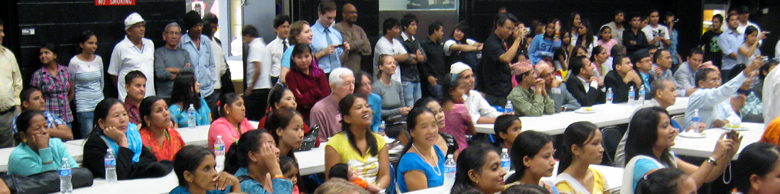
FIRST TIME JOINT EFFORT by immigrant and refugee communities in the Triad to celebrate the most important holiday of the year. OUR DIRECT GOAL: Demonstrate the benefits of group cooperation. OUR INDIRECT GOAL:  Resolve conflict among members of Nepalese and Bhutanese communities. Lay the ground work for future collaborations. Build trust. OUR METHOD: Engage peoples’ minds but reinforce their senses. Over 500 participate, plan, cook, dance, sing, play, compete, talk, eat, drink  and celebrate.
GO TO OFFICIAL SITE FOR PHOTOS, HISTORY  AND DOCUMENTATION:  http://uniteddashain.blogspot.com/
COVERAGE
Locally Grown
FaithAction E-News
––––––––––––––––––––––––––––––––––––––––––––
COUNTDOWN TO UNITED DASHAIN SOCCER CUP
OCT 8, 2011 United Dashain Tournament
On Saturday, October 8 international soccer teams will engage in friendly competition in the spirit of community unity at Greensboro city soccer field at Naco Road (near the Armory). Starts at 10 AM.

8:00 pm, Oct 8: Moon rises, car stereo begins to boom, players from all teams hang out. The tournament is over!
7:30 pm, Oct 8: Closing ceremony and discussion about sports and community.
12:30 pm, Oct 8:  Food run. MacDonald's offers a big discount.
12:00 noon, Oct 8: High Point Division B arrives
11:00 am, Oct 8: Charlotte team arrives.
10:00 am, Oct 8: Teams arrive. Players put on their team shirts.
Oct 7:Meeting and final revisions
Oct 6: Division A (High Point) can't come; big wedding already scheduled
11:00am, Tuesday, Sept 27: Newsletter copy submitted to FaithAction
4:00 pm, Sunday, Sept 25: Distribution of soccer jerseys to coaches.
–––––––––––––––––––––––––––––––––––––––––––– 
COUNTDOWN TO UNITED DASHAIN FESTIVAL
SEPT 25, 2011 United Dashain Festival
On Sunday, September 25, Dashain traditional food, music and dance  will be open to everyone at Greensboro's Caldcleugh Multicultural Arts Center from 12 noon to 8 PM.
12-8:00 pm, Sunday, Sept 25: First United Dashain event with about 400 in attendance and strong representation of leaders from both communities.
9:00 am Saturday, Sept 24: Hand out Dashain flyers at the GSO Farmer's Curb Market 
4:00 pm, Friday, Sept 23: grant-writing team meeting
2:00 pm, Friday, Sept 23: Pick up printed soccer jerseys
1:00 pm, Friday, Sept 23: Reschedule soccer to Oct 8
11:00 am, Friday, Sept 23: City cancels field reservation due to wet weather
8:00 pm Thursday, Sept 22: Program meeting
9:00 pm Wednesday, Sept 21: Official TNCC support for United Dashain Festival
2:00 pm Wednesday, Sept 21: Organizational details from FaithAction
9:00 pm, Tuesday, Sept 20: Triad Nepalese Community Center board of directors supports United Dashian 
6:00 pm, Tuesday Sept 20: Sound system obtained, soccer schedule finalized, Sunday program notes discussed, goat pictures reviewed
4:00 pm, Tuesday Sept 20: Meeting with David Fraccaro, ED of FaithAction
4:00 pm, Monday, Sept 19: Budget transparency; budget and expenses publicly posted for Nepalese and Bhutanese communities to see
3:00 pm, Monday, Sept 19: Soccer balls and flags purchased at Omega, a local sports store
2:00 pm, Monday, Sept 19: Team jersey order sent in to Zoom, a local printer
5:30 pm, Saturday, Sept 17: Soccer jersey design finalized
11:00 am, Saturday, Sept 17: Bought goat, $180. Looking for second purchase
10:00 am, Saturday, Sept 17: Soccer and event designs up for review
7:00 pm Friday, Sept 16: Soccer practice 
6:30 pm, Friday, Sept 16: Soccer, Culture, and Ambassador meeting at Hunter Glen 
3:30 pm, Friday, Sept 16: Cooking preparations planned 
2:00 pm, Friday, Sept 16: Greensboro soccer field inspection 
9:00 am, Friday, Sept 16: Community Foundation releases funds for United Dashain to FaithAction International House, the fiscal sponsor for United Dashian. 
1:00 pm, Thursday, Sept 15: High Point soccer location changed to Greensboro
7:00 pm, Wednesday, Sept 14: Council of Cultures meeting
11:00 pm, Tuesday, Sept 13: United Dashain Festival Web site goes live 
9:00 am, Tuesday, Sept 13: Community Foundation approves United Dashain budget
4:00 pm, Monday, Sept 12: Bus trip to opening of Bhutanese refugee camp photography exhibit at Kenan Institute of Ethics
Sunday, Sept 11: Creation of standing committees for Dashain; explanation of potluck concept to community members
Saturday, Sept 10: Review of new budget before submission; food responsibilities; games costs
Friday, Sept 9: Tentative reschedule to Sept 24 and 25.
Thursday, Sept 8: A change of plans; Can we organize Dashain a week earlier than originally planned?
–––––––––––––––––––––––––––––––––––––––––––– 
CONFLICT RESOLUTION: ORIGINAL DASHAIN PROPOSAL

September: Can this project still go through?
Late Summer: Approval to modify conflict resolution strategy and narrative.
Late Summer: Discussions with TNCC about grant implementation
Summer: Grant approval by Community Foundation
Mar, 2001: Triad Nepalese Community Center organization meeting and celebration of Holi.
Feb 11, 2011: Submission of grant to Community Foundation of Greater Greensboro
Feb 3+ 2011: Meetings to discuss budget details
Feb 2, 2011: Meeting with proposed facilitators to discuss process of conflict resolution, details of bringing parties together, history and roots of communities' conflicts.
Jan 2011: Drafts of grant narrative
Jan 2011: Discussions about applying for a grant to address conflict resolution in Nepalese and Bhutanse communities.

STSB: YouTube Demo


SURGICAL TECHNOLOGY SKILLS BUILDER (STSB) was a 2009 serious game created with a team of collaborators from the Piedmont's colleges and universities. I put together the project, which was funded  through the Piedmont Triad Partnership’s Department of Labor WIRED grant, and oversaw its production.

The game is simple but effective, concentrating on key stumbling blocks student learners encounter: identifying instruments, knowing their use, setting up a Mayo Tray, and working under pressure  in a simulated surgery environment.  (more)

WHAT WE DO ROAD MAP (4)

CREATING A COMMUNITY HEALTH WORKERS TEAM
Click to enlarge. 

Problem: After more than 25 years of being here in the Triad, the Montagnard community abounds with serious problems that are not being addressed by resettlement agencies or the region’s health system.

Challenge: Create an unobtrusive team of community health workers who can investigate problems, communicate effectively with refugee families and clearly explain health problems and conditions to Americans.

THE WHAT-WE-DO ROAD MAP (1)

PDF printable version

BREAKING OPEN A CLOSED SYSTEM


Click to enlarge
Problem: Refugee resettlement has become a closed system unable to address serious social, health, education and other problems affecting the region, leaving individuals and families in dire circumstances.
Challenge: Bring awareness of the problem by enlarging the circle of stakeholders. Demonstrate the effectiveness of culture, empowerment, access to information in community building. (The 800-pound gorilla? That's the aversion to technology and its game-changing effects that highlight the insularity of the system.)

THE WHAT WE DO ROAD MAP (3)

PDF printable version

CULTURAL CHALLENGE
 
Click to enlarge.

Problem: Create transformative experiences to alter the way creatives understand “community” and their commitment as artists.  Overcome perceptions of “The Other”.
Challenges: Create multiple opportunities for face-to-face meetings between students and refugees encompassing a broad topics and roles. Push both sides to reduce physical and emotional distance.

THE WHAT WE DO ROAD MAP (2)

PDF printable version
 EDUCATION COLLABORATIVE

 
Click to enlarge.

Problem: High tech business can't thrive in the 12-county Piedmont region if educators don't have enough hands-on experience in interactivity and game development. Institutional cultures prevent educators from easily working with one another. And the tech sector and education aren't talking and working with one another where it matters — on the ground level. Communication is a problem.
Challenge: Get stakeholders to work together on a really tough problem — a serious game. Challenge academics to convert their theoretical knowledge into a viable product. Go from talking about collaboration to real collaboration.

WIRED Capstone Event: Lessons Learned

June 3, 2010
Koury Center, Greensboro NC

The following are my notes for the lunchtime panel discussion featured during the Piedmont Triad Partnership's Capstone event concluding its 3-year federal WIRED grant.


Lessons Learned: Serious Game Group and the Surgical Technology Skills Builder

     • My story
     Successes
     Failures
     Lessons learned
     Focus on the real problem

I STUDIED STUDIO ART at the Rhode Island School of Design and Yale and taught in California and North Carolina colleges. I had a good career with many students who are now accomplished professionals.

Things changed when I took on the job of modernizing a community college graphics program just as desktop publishing arrived — the first wave of what we today call “disruptive technology”. My faculty and I responded with new teaching methods. We partnered with progressive area businesses. My 20-year old grads moved into management positions because they were ready, with the sharpest going to RTP.

Meanwhile in the county, big printers and textile companies failed to computerize, innovate or compete. People lost jobs. I fought my administration over this new thing called the Web. Then video and multimedia went digital, and my department still couldn’t get online.

By then, I had been creating games with Adveractive in Chapel Hill. Games have the powerful ability to change the way people behave. The central idea of games is that we humans often learn most effectively in game-like situations. I left teaching in 2000 and since then I've made over 100 games for major clients like Coca-Cola, Shockwave, ESPN, and Yahoo.

Since 2004 I have been in business for myself. Most of my clients are on the West Coast. I work with area nonprofits like Reading Connections, Green Hill Center, and refugee organizations, using technology in smart ways to drive down costs and improve efficiency. I proposed the 2010 food theme for the technology and art conference sponsored by CDI, a big-tent event designed to get the most energetic Piedmont talent to connect and create.

Last year, Margaret said PTP wanted to test the region's ability to do a Really Hard Task. I was impressed that she was willing to put serious money down on the things I believed in, especially keeping smart young people here. From May 2009 until January 2010 I oversaw the team that created “Surgical Technology Skills Builder”, a serious game for Guilford Tech's surgical department.

As I see it, these are our successes:
• We built a team of game, art, and design educators who'd never worked together and made a solid product.
• Our game was good enough to turn the heads of Triangle game leaders.
• We exceeded the expectations of the game's client and subject expert, GTCC department head Tony Makin.
• We proved the collaborative model can work in the Triad, even one involving many partners — in our case, seven institutions each with its own mission statement and values.
• We showed our costs can come close to industry costs.
• Most importantly, we showed the talent’s here.

Here are our failures:
• We didn’t obligate matching or other support from academic institutions.
• We missed deadlines and failed to get student-tested feedback.
• We had uneven contributions from team members because we didn't consistently hold them accountable.
• Was our focus on creating a commercial product or teaching teachers? We failed to have a single project focus.
• And, we failed to put another project in the pipeline, dissipating momentum and dispersing the team.

What can we learn from this?
About academia...
• Let’s expect higher ed. to put some skin in the game. Two did. The rest could do more. After all, PTP paid for their faculty training.
• Let’s make sure academics can work with professionals. They must learn how to track their time or they’ll be suffocated by their other duties.

About artists...
• PTP wants to give fine artists a role in economic growth. The Piedmont has long had a “creative class” before it was called that. But to earn its place at the table, it has know how to price its time and services.

About teamwork...
• Let’s teach people how to improve their online and collaborative skills. This weakness plagues every Piedmont organization I've worked with.

About breaking silos...
• Let’s see more “Mission Impossible” projects like ours. The best way to test this region's collective abilities is to give a team of creatives and techies really difficult problems to solve. The best way to test someone’s talent is to see him work a problem.

About Piedmont leadership...
• We already have a game industry in the Triangle, so why are we talking about a game industry here? Instead, let's consider how disruptive technology could lead to the next great thing right here in the Triad. The mental attitude and skills required in the game industry represent the same savvy skills and street smarts we want to see in our classrooms, workforce and boardrooms. But I don’t hear anyone explicitly saying this. (PS. We need these skills in healthcare, logistics, and manufacturing.)
• We need articulate voices at the top who have a sophisticated understanding of how creativity and technology work on the ground level.


Focus on the real problem
The Piedmont's problems are cultural, not technological. Valuing time, working online, working outside of one’s “comfort zone”, and a tendency to resist change reflect cultural attitudes.

In planning sessions and boardrooms, everyone loves the word “transformational” to describe the scale of change needed here in the Triad. Recall this was before the housing market crashed. Our difficulties — or opportunities — already big then, are now immense.

We need to change the prevailing culture, change human behavior.

People make culture. People can change it.

DATS 2010: Food Geography

SOURCES OF INSPIRATION

• Go to Center for Design Innovation’s site to learn about this year’s host for the Design, Arts, and Technology Symposium.
• For Food Geography panel and participation topics, click here.


“Food has no ethnicity, only geography.” —Musa Dagdiviren

DATS 2010 (Design, Art, and Technology Symposium) has made food its theme. The event is scheduled to be hosted by the Center for Design Innovation to take place at the Sawtooth Center in Winston-Salem in October 10, 2010, possibly with some additional activities in Greensboro. Past DATS hosts include High Point University, UNCG, and UNC School of the Arts. This year will be a breakout event: DATS will move out of academia and into the real world!

To introduce the idea of food and its relation to culture, I’ve assembled several sources to get you and potential participants thinking about possible symposium events, discussions, and activities. We want to find a way of talking about food that connects the ideas of organic, ethnic, industrial, fast, slow, snack, dessert, vegan, vegetarian, health, recipes, nutrition, local — the list goes on.

What I rarely hear is discussion about food in its most inclusive form, as it relates to culture. Maybe it’s because we’re not too sure about what our Piedmont culture is or what it means. While I believe food is deeply connected to memories, especially childhood, it is inseparable from place. Thus my interest perked up when I came across the above quote by a Turkish chef. Food and culture. Food and history. Food and geography.

Points of Departure
Musa Dagdiviren’s remarkable quote is from “The Memory Kitchen” by Elif Batuman in the New Yorker, April 19, 2010. The full article isn’t available yet, so buy the magazine or check out the audio link.

• What does the world eat? See the photo essay excerpts . Notice the preponderance of packaging and processed foods in the families of industrialized, "advanced" countries.

• If you were a pig, would you choose to live in an industrial farm? Watch Dan Barber in chapter 6 of “What’s for Dinner: Food and Politics in the 21st Century” on Fora TV and listen how he explains foei gras.

• Read about Will Allen, MacArthur grant winner, in the Sunday NY Times’ “Street Farmer”. Notable quote, If there’s no place in the food movement for low- and middle-income people of all races, says Tom Philpott, food editor of Grist.org and co-founder of the North Carolina-based Maverick Farms, “we’ve got big problems, because the critics will be proven right — that this is a consumption club for people who’ve traveled to Europe and tasted fine food.

• Does the Piedmont’s refugee population have a place at our table? Read about local farmer Daniel Woodham’s work to incorporate the agriculture experience of Montagnard refugees into the local economy as reported in the Greensboro News-Record. And check out great photos by Max Holder of his ESOL class at work in Luke and Tobi's garden. And a few more pictures of Montagnard participation at the Carolina Farm Stewardship Association’s Black Mountain conference. On a related note, read about the opening of the area’s largest Montagnard-owned food store.

• Alice Waters’ school food projects work on a $5 per pupil model. From American Public Media’s Splendid Table, a talk with Jean Ronnei of the St. Paul, MN public schools reviews the hard problem of feeding kids school lunches for less than $3 per pupil.

• On dumpster diving and urban farming, watch “Education of an Urban Farmer: Novella Carpenter”.

• Arnold Pacey’s “Technology in World Civilization”, 1991, MIT, credits ancient native American farmers for their important work in the development of corn, potatoes, and other agricultural products, their gift to the world that allowed populations to grow and modern societies to emerge.

• See as much as you can of Wade Davis’ Why Ancient Wisdom Matters in the Modern World on Fora TV and check out Sky in Motion that precedes it, also on viewable on YouTube.

Do you have an inspiring source to share? Please notify me and I’ll put it up.

DATS 2010: Food Geography Events

Join a venue. Food Geography forms an important part of the DATS theme. We can work together and promote your interests. Below is a list of venues I'm working on now.
1. World Food in the Triad 
Description      First-time ever (!) Piedmont get-together about the experiences and impact of world food in the Triad. We'll talk about urban gardens, alternate food sources, new ethnic foods, health literacy, food as culture and other amazing, innovative stuff designed to bring different and unique perspectives to the table. Leave your ideas about haute cusine at home! 

How you can participate
• Got a great organization, project, research, idea you want to promote and share? Contact me.
• Is this venue something your organization would like to support? Underwriting us is a great way to let everyone know about your values and commitment to the development, sharing, and promotion of great ideas in the Triad.
____________________________________________________________

Description      Collaborative cooking teams professional chefs and refugee-immigrants leading up to a big-bash presentation at DATS 2010. They'll create unique dishes using the Piedmont's own locally developed product, the Stokes Purple sweet potato. (more)
____________________________________________________________ 

3. Pecha Kucha Night at DATS
Description      Follows the established Pecha Kucha format (20 slides, 20 seconds each, total program per participant is 6 minutes and 40 seconds) designed to keep presentations exciting, informative, and entertaining. Now a DATS tradition, come out and be a part of the inauguration of PKN Triad, a new organization promoting this lively event throughout the year.

Don’t know how cool Pech Kucha is? Visit Raleigh's site.

How you can participate!
Present a great topic that connects food with an aspect of tech, design or the arts. Talk about your organization's mission, your project, your research, your dream. (Betsy and I presented together at DATS 2009 and talked about our projects.) Check back at this Website or the official DATS site for more info about how to submit your entry.
• Give technical, writing or language help      You can also participate by helping someone technically prepare their digital slides, language translation or their writing, especially if English is their second language. The digital divide is a significant obstacle to refugee populations and other groups in the Triad. To make sure their views are represented, you can help guide a participant through the process.
Sponsor a minority, refugee or immigrant presentation      A significant barrier to refugee, immigrant and minority populations is cultural isolation. For newcomers, learning English prevents many from fully sharing their talents, skills and knowledge to the Piedmont economy. Sponsorship money can help underwrite costs for transportation, technical help, and language translation.
____________________________________________________________

4. Big Tent Food Vendors
Description     This is a special venue opportunity for a limited number of refugee, immigrant and minority population vendors to sell food during DATS 2010, October 9-11. We want to make sure vendors will reflect the great diversity of food traditions and cultures that have come to the Piedmont. More details will be coming.

How you can participate!
• Do you, your organization, church or business have experience selling quality multicultural food at events? Would you like more information? Contact me.
Sponsor a vendor. In many instances, minority, refugee, and immigrants lack capital and cultural advice. A small amount of money and time can go a long way to launching an entrepreneur.
____________________________________________________________
Make the Connection
Suggestions about activities and event organization

1. Make the local connection. Frame trends in local terms with local illustrations. Use the opportunity to dig deep, discover local talent and pull in area experts.

2. Get out of the circle. Say design, art, and technology and most Piedmonters are stuck in narrow definitions and a short list of specialized professionals practicing in silos.

3. Leverage the event. Use DATS 2010 to pull doubters, fence-sitters, future partners, collaborators and possible champions into listening range.

4. Everything you can do to move away from a lecture format will be appreciated by participants. Lecture with pictures is slightly better, panel discussion better, hands-on workshop or interactive, kinesthetic learning experience best.

5. Think messy and after effects. So the event didn’t work the way you wanted, but it generated dozens of conversations amongst attendees who never knew one another weeks after the event, three collaborative projects, and a job or two. Was your event successful or not? (PS: Document the event so it can live on. Make sure the info is online.)

6. Dollars and support. Consider financial supporters as part of the enlarged circle you’re trying to reach. Talk to the usual funders and do-gooder organizations that are called upon again and again to be generous, but invite those to help who’ve never participated. Many have not participated because they have never been invited.

World Food


1. World Food in the Triad 
Description      First-time ever (!) Piedmont get-together about the experiences and impact of world food in the Triad. We'll talk about urban gardens, alternate food sources, new ethnic foods, health literacy, food as culture and other amazing, innovative stuff designed to bring different and unique perspectives to the table. Leave your ideas about haute cusine at home! 

How you can participate
• Got a great organization, project, research, idea you want to promote and share? Contact me.
• Is this venue something your organization would like to support? Underwriting us is a great way to let everyone know about your values and commitment to the development, sharing, and promotion of great ideas in the Triad.
____________________________________________________________


DATS 2010: Audience

WHO IS THE POTENTIAL AUDIENCE?
Click to enlarge
Problem: In 2010, the Design, Arts and Technology Symposium (DATS) needed a unifying theme that also reflected local strengths.
Challenges: Show how innovators in the food movement connect to creatives in art, design and technology.

DATS MashUp: Stokes Purple

STOKES PURPLE COOKING COLLABORATION
+ Follow the teams' progress leading up to DATS!
Reyonolds Place, MRCA
Saturday, October 9, 2010
2:30 — 4:00 pm


Four cooking teams each consisting of a professional chef and refugee-immigrant will present and discuss their joint creations using the Stokes Purple sweet potato as their point of inspiration. Each team will face language, tradition and cultural barriers as they work to communicate, collaborate, and create a great new recipe. (You can learn more and follow the teams' progress leading up to DATS' MashUp.)

Today people from all over the world have brought new flavors, ingredients, techniques and tastes to the Piedmont. The Stokes Purple sweet potato is an exceptional product available at Whole Foods and developed by enterprising Stokes County farmers from a variety of Ipomoea batatas cultivated in Asia. As a world food, the sweet potato is a familiar ingredient to newcomers from Southeast Asia, Africa, and Central and South America.

PARTICIPANTS
Bryant Hernandez, moderator, is a versatile actor who has been seen in La Pastorela (Crespo the Sheep), The Old Globe Theatre; Dancing at Lughnasa (Michael), On-Stage Playhouse; Fuente Ovejuna (Mengo), 6th @ Penn Theatre; The Wet Back, Las Dos Caras del Patroncito, Teatro Mascara Majica; The Journey of the Skeletons, San Diego Institute for Arts Education Tour; The Actor’s Nightmare, The Story of the Man Who Turned Into A Dog, Sweet Bayou, Don Cristobal, The Shoemaker’s Prodigious Wife, Bandido!, Mayan Hall/ SWC; Arsenic and Old Lace, Annie Get Your Gun, McGinnley Hall.


Chef and owner Graham Heaton says Table 16 embodies a style of food that is strong, unique, and indicative of the bold flavors of the New World coupled with the refined and elegant traditions of the Old World. The multi-ethnic cuisine of the New World is influenced by the flavors of the Caribbean, Central America, South America, Cajun, Creole Cultures. These all collide with the more sophisticated classic approach to Old World cuisines of Spain, Portugal, France, and Italy. Never losing our foot hold on our Southern Roots, the four seasons, and locally grown produce, our concept features many staples of the New World, such as legumes, fresh seafood, healthy grains, fresh fruits and vegetables, such as mangoes, passion fruit, papaya, yucca, yams, and plantains.

Table 16 is working with Kwol Ksa, a Montagnard woman from the Koho tribe. Kwol came to the US in 1992 as a refugee from Vietnam. She lived in the jungle for many years to escape war and violence which continued throughout Southeast Asia after the American departure in 1975. She is eager to share many of the foods and vegetables that are less known to an American audience. She's assisted by her husband, Eugene Pierce.
Table 16
600 S. Elm Street, Greensboro NC 27406
(336) 279-8525
http://www.table16restaurant.com/
_______________________________


Chefs and owners Mark Grohman and Trevor Dye operate Meridian Restaurant. Each is a classically trained chef who has chosen to make Winston Salem his home. They have worked at some of the finest restaurants in the Triad area as executive chefs. The cuisine at Meridian Restaurant represents the combination and culmination of classical training and passion for Mediterranean and local cuisine.

Meridian is working with Menbi Halu, an Ethiopian woman who came to the Triad just two years ago with her immediate family. Menbi is an enthusiastic chef who worked in Nairobi, Kenya after she was forced to flee her native land. In her own words, she describes herself as someone who simply loves to cook.

Meridian Restaurant
411 South Marshall Street, Winston-Salem, NC 27107
(336)722-8889
http://www.meridianws.com/
_______________________________


Chef John Drees reopened Southern Lights Bistro at its new location in June 2010 . The award-winning four-star restaurant, and one of Greensboro’s most popular eating establishments for more than two decades, Southern Lights Bistro is delighted to welcome you back. Inside you will find many aspects you fondly remember about the original location, such as popular menu offerings like Cream of Tomato Basil Soup, Tribecca Sandwich, Reference Burger, Grilled Salmon with Cucumber Dill Sauce, Chocolate Walnut Pie, seasonal items, house-made desserts, fresh daily seafood and chalkboard specials. Adrian Harris represents the Southern Lights Bistro kitchen in this community-minded collaboration project!

Southern Lights Bistro is working with Tarek and Wurood Almashhadani, who came to the Triad one and one half years ago from their native Iraq. Both are very interested in sharing their food customs and traditions with a larger American audience and see this collaborative opportunity as a chance to portray their country and its long, rich history in a positive light.

Southern Lights Bistro
2415-A Lawndale Dr., Greensboro, NC 27408
(336) 379-9414
http://southernlightsbistro.com/
_______________________________

Chef Jeff Bacon, Director and Excecutive Chef for the program, and certified guest chefs provide classroom and kitchen training at the Second Harvest Food Bank of Northwest NC's Triad Community Kitchen. Ten-week training sessions overseen by Chef Bacon are given at no charge to unemployed, underemployed and homeless individuals to prepare them for careers in the food service industry. Training includes instruction and activities designed to help ensure students are "workplace ready" and a one-week internship with a local food service organization or restaurant to help students gain "real world" job experience. Graduates may obtain further training, professional development and scholarship assistance with transferable credits applied to continued study at Guilford Technical Community College's Culinary program.

Triad Community Kitchen students use donated and purchased food during their course time to create vacuum-sealed, ready-to-heat meals in a bag for distribution to Second Harvest Food Bank of Northwest NC's partner agencies like soup kitchens, group homes and Kids Cafes.

Triad Community Kitchen is working with Roshan Shrestra, a GTCC culinary student, and a team of three Nepali refugee women, Ganga Mainali, Devi Timsina and Hari.

Triad Community Kitchen
Second Harvest Food Bank of Northwest NC
3655 Reed Street, Winston-Salem NC 27107
(336) 784-5770
http://www.hungernwnc.org/
_______________________________


FROM STOKES COUNTY, NC —THE PURPLE STOKES


The Stokes Purple sweet potato is about how innovation and economic development can be used to sustain local agriculture. It is a technology and globalizationstory that began five hundred years ago in America, went around the world, and came home to Stokes County, NC.
The Stokes Purple is a sweet potato cultivar (Ipomoea batatas) developed and promoted by StokesCORE, a local nonprofit economic development agency, to help Stokes County farmers diversify production and preserve rural heritage. Its striking color comes from its anthocyanin content, consumption of which is linked to reduced cardiovascular disease.

The sweet potato (not the same as the yam, Dioscorea alata) originated in Mesoamerica and was among many important world foods discovered and developed by generations of Pre-Columbian agriculturalists. Columbus brought it to Europe(1500) where it was carried to the Philippines, then China, India and Southeast Asia. In the late 1600s it was grown in Virginia. By 1700 it arrived in Japan. Today the sweet potato is an important world food. In the US, North Carolina is the largest sweet potato producer.
_______________________________

Tony McGee is the Executive Director of StokesCORE, a nonprofit community organization based in Stokes, County, NC. StokesCORE is currently emphasizing development of the underlying social infrastructure of this region on its path to becoming a sustainable community resource. Contact him for more information about Stokes County farmers growing the purple sweet potato.

Andrew J. Young (DATS MashUp organizer) is an artist, educator, game designer and advocate. For two years he volunteered and then worked at Montagnard Dega Association as an ESOL teacher and employment specialist in order to study and understand the community. He is currently working with his wife, Betsy Renfrew, and backstrap weavers from Southeast Asia to together preserve and promote traditional weaving through a sustainable model.

DATS 2010: Stokes Purple Sweet Potato

DATS MashUp
Oct 9, 2:30-4:00
Four cooking teams of a professional chef and refugee-immigrant will present and discuss their joint creations using the Stokes Purple sweet potato as their point of inspiration. Each team will face language, tradition and cultural barriers as they work to communicate, collaborate, and create a great new recipe. Follow the teams' progress at http://mybridges.net/
Today people from all over the world have brought new flavors, ingredients, techniques and tastes to the Piedmont. The Stokes Purple sweet potato is an exceptional product available at Whole Foods and developed by enterprising Stokes County farmers from a variety of Ipomoea batatas cultivated in Asia. As a world food, the sweet potato is a familiar ingredient to newcomers from Southeast Asia, Africa, and Central and South America.

Participating Restaurants
Chef and owner Graham Heaton says Table 16 embodies a style of food that is strong, unique, and indicative of the bold flavors of the New World coupled with the refined and elegant traditions of the Old World. The multi-ethnic cuisine of the New World is influenced by the flavors of the Caribbean, Central America, South America, Cajun, Creole Cultures. These all collide with the more sophisticated classic approach to Old World cuisines of Spain, Portugal, France, and Italy.  Never losing our foot hold on our Southern Roots, the four seasons, and locally grown produce, our concept features many staples of the New World, such as legumes, fresh seafood, healthy grains, fresh fruits and vegetables, such as mangoes, passion fruit, papaya, yucca, yams, and plantains.

Table 16
600 S. Elm Street, Greensboro NC 27406
(336) 279-8525
http://www.table16restaurant.com/
___________________________

Chefs and owners Mark Grohman and Trevor Dye operate Meridian Restaurant . Each is a classically trained chef who has chosen to make Winston Salem their home.  They have worked at some of the finest restaurants in the Triad area as executive chefs.  The cuisine at Meridian Restaurant represents the combination and culmination of classical training and passion for Mediterranean and local cuisine.

Meridian Restaurant
411 South Marshall Street, Winston-Salem, NC 27107
(336)722-8889
http://www.meridianws.com/
___________________________

Chef John Drees reopened Southern Lights Bistro at its new location in June 2010 . The award-winning four-star restaurant, and one of Greensboro’s most popular eating establishments for more than two decades, Southern Lights Bistro is delighted to welcome you back. Inside you will find many aspects you fondly remember about the original location, such as popular menu offerings like Cream of Tomato Basil Soup, Tribecca Sandwich, Reference Burger, Grilled Salmon with Cucumber Dill Sauce, Chocolate Walnut Pie, seasonal items, house-made desserts, fresh daily seafood and chalkboard specials.
Chef Adrian Harris represents Southern Lights Bistro in the community-minded collaboration project!

Southern Lights Bistro
2415-A Lawndale Dr., Greensboro, NC 27408
(336) 379-9414
http://southernlightsbistro.com/
__________________________

Chef Jeff Bacon, Director and Excecutive Chef for the program, and certified guest chefs provide  classroom and kitchen training at the Second Harvest Food Bank of Northwest NC's Triad Community Kitchen. Ten-week training sessions overseen by Chef Bacon are given at no charge to unemployed, underemployed and homeless individuals to prepare them for careers in the food service industry. Training includes instruction and activities designed to help ensure students are "workplace ready" and a one-week internship with a local food service organization or restaurant to help students gain "real world" job experience. Graduates may obtain further training, professional development and scholarship assistance with transferable credits applied to continued study at Guilford Technical Community College's Culinary program.

Triad Community Kitchen students use donated and purchased food during their course time to create vacuum-sealed, ready-to-heat meals in a bag for distribution to Second Harvest Food Bank of Northwest NC's partner agencies like soup kitchens, group homes and Kids Cafes.

Triad Community Kitchen
Second Harvest Food Bank of Northwest NC
3655 Reed Street, Winston-Salem NC 27107
(336) 784-5770
http://www.hungernwnc.org/
___________________________  

From Stokes County, NC — The Stokes Purple
The Stokes Purple sweet potato is about how innovation and economic development can be used to sustain local agriculture. It is a technology and globalization story that began five hundred years ago in America, went around the world, and came home to Stokes County, NC.

The Stokes Purple is a sweet potato cultivar (Ipomoea batatas) developed and promoted by StokesCORE, a local nonprofit economic development agency, to help Stokes County farmers diversify production and preserve rural heritage. Its striking color comes from its anthocyanin content, consumption of which is linked to reduced cardiovascular disease.

The sweet potato (not the same as the yam, Dioscorea alata) originated in Mesoamerica and was among many important world foods discovered and developed by generations of Pre-Columbian agriculturalists. Columbus brought it to Europe(1500) where it was carried to the Philippines, then China, India and Southeast Asia. In the late 1600s it was grown in Virginia. By 1700 it arrived in Japan. Today the sweet potato is an important world food. In the US, North Carolina is the largest sweet potato producer.

Contact
Andrew Young, 336-420-3768 or youngprojects@triad.rr.com
BACKGROUND STORY
• Food and economic development in the Piedmont
• Innovation sustains our rural heritage
• The sweet potato in world history
• The Purple Stokes: from local to global

The Stokes Purple sweet potato is about how innovation and economic development can be used to sustain local agriculture. It is a technology and globalization story that began five hundred years ago in America, went around the world, and came home to Stokes County, NC.

The Stokes Purple is a sweet potato cultivar (Ipomoea batatas) developed and promoted by StokesCORE, a local nonprofit economic development agency, to help Stokes County farmers diversify production and preserve rural heritage. Its striking color comes from its anthocyanin content, consumption of which is linked to reduced cardiovascular disease.

The sweet potato (not the same as the yam, Dioscorea alata) originated in Mesoamerica and was among many important world foods discovered and developed by generations of Pre-Columbian agriculturalists. Columbus brought it to Europe(1500) where it was carried to the Philippines, then China, India and Southeast Asia. In the late 1600s it was grown in Virginia. By 1700 it arrived in Japan. Today the sweet potato is an important world food. In the US, North Carolina is the largest sweet potato producer.


Montagnard urban garden in the Piedmont
Asian farmers at the Carolina Farm Stewardship conference


But here the story gets better: The Piedmont has become multicultural, with unique populations of Asians long familiar with growing the sweet potato. Here refugees and immigrants grow lush, dense backyard gardens, planting seeds and varieties of plants from their native lands. The original Purple Stokes was an odd looking potato presented to Stokes farmers by an Asian woman. At NC State University  it was definitively identified as a cousin of its American ancestor. Thus the sweet potato has been around the world, an early example of globalization and technology dispersion. Beginning with a trip that started five hundred years ago with stops all across Europe and Asia, the Purple Stokes has come home!